
I have managed to learn more fungi over the past winter months, both at work and during woodland walks. I have seen these, mentioned below, between November 2025 through to mid January 2026.
1) Common stinkhorn (Phallus impudicus).

The common name is very appropriate, as Stinkhorn suggests, it does produce a very strong (foul) odour; in fact you become aware of it well before seeing it. The smell resembles blocked drains or a decaying animal. Flies land on it, spreading the spores as they continue to move around.
2) Wrinkled club (Clavulina rugosa).

This fungi is often found near pathways. These specimens were located on the edge of the lawn.
3) Jelly ear (Auricularia auricula-judae). I have seen this fungi before but I find it fascinating. I noticed a young slug seeking shelter amongst it.

4) False turkey tail (Stereum hirsutum).

False turkey tail is found growing on fallen branches or those dying on hardwood trees (as shown here). It is much smaller than Turkey tail fungi (Trametes versicolor).
5) Leaf Parachute (Marasmius epiphyllus).

These tiny fungi develop on leaf litter of Ash or Poplar trees.
6) White Saddle (Helvella crispa).

These pretty fungi develop near paths amongst Beech (Fagus) and Oak (Quercus) trees.
7) Candle snuff (Xylaria hypoxylon).

Candle snuff grows on moss and the decaying wood of broadleaf trees. Starting off greyish white, it releases spores that turns it black.
8) Oakbug Milkcap (Lactarius quietus), found them beneath Oak trees.

As the name suggests, milkcaps produce a milky substance (latex) when bruised as a form of protection, like putting on a plaster to cover the injured area. They form a cooperative relationship with specific trees, this one is only found under Oak trees.
9) Some Oysterlings, possibly Variable oystering (Crepidotus variabilis). Oysterlings are very small and difficult to distinguish from one another.

Developing on woody debris such as twigs from Broadleaf trees on woodland floors these white fungi are tiny.
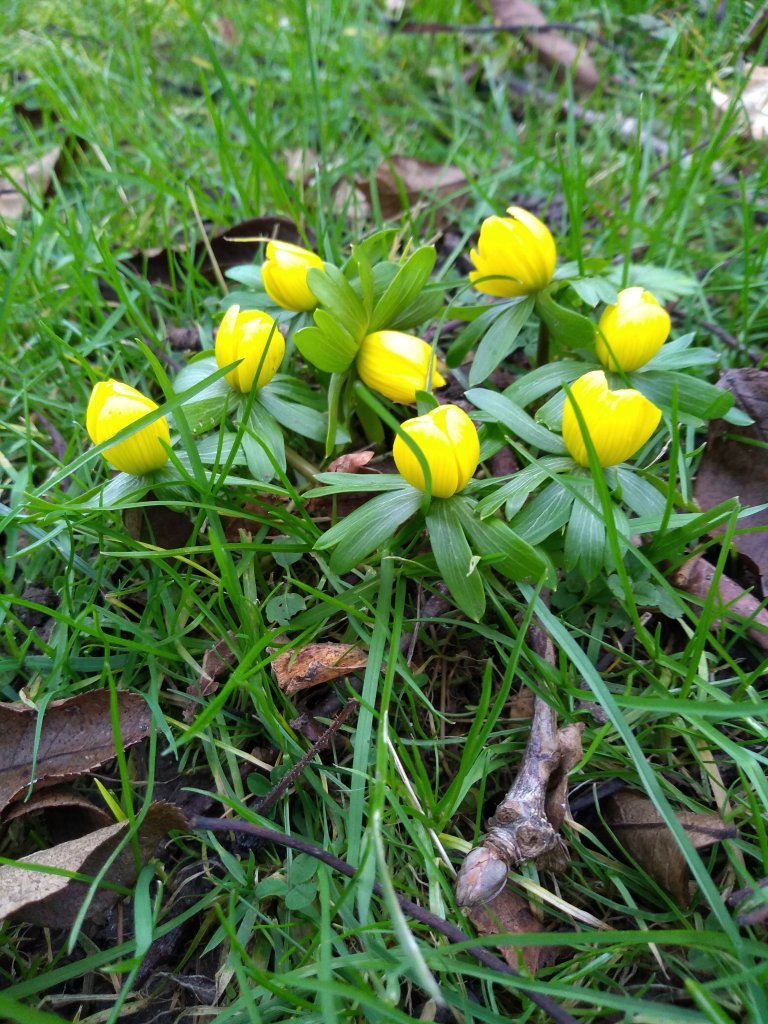
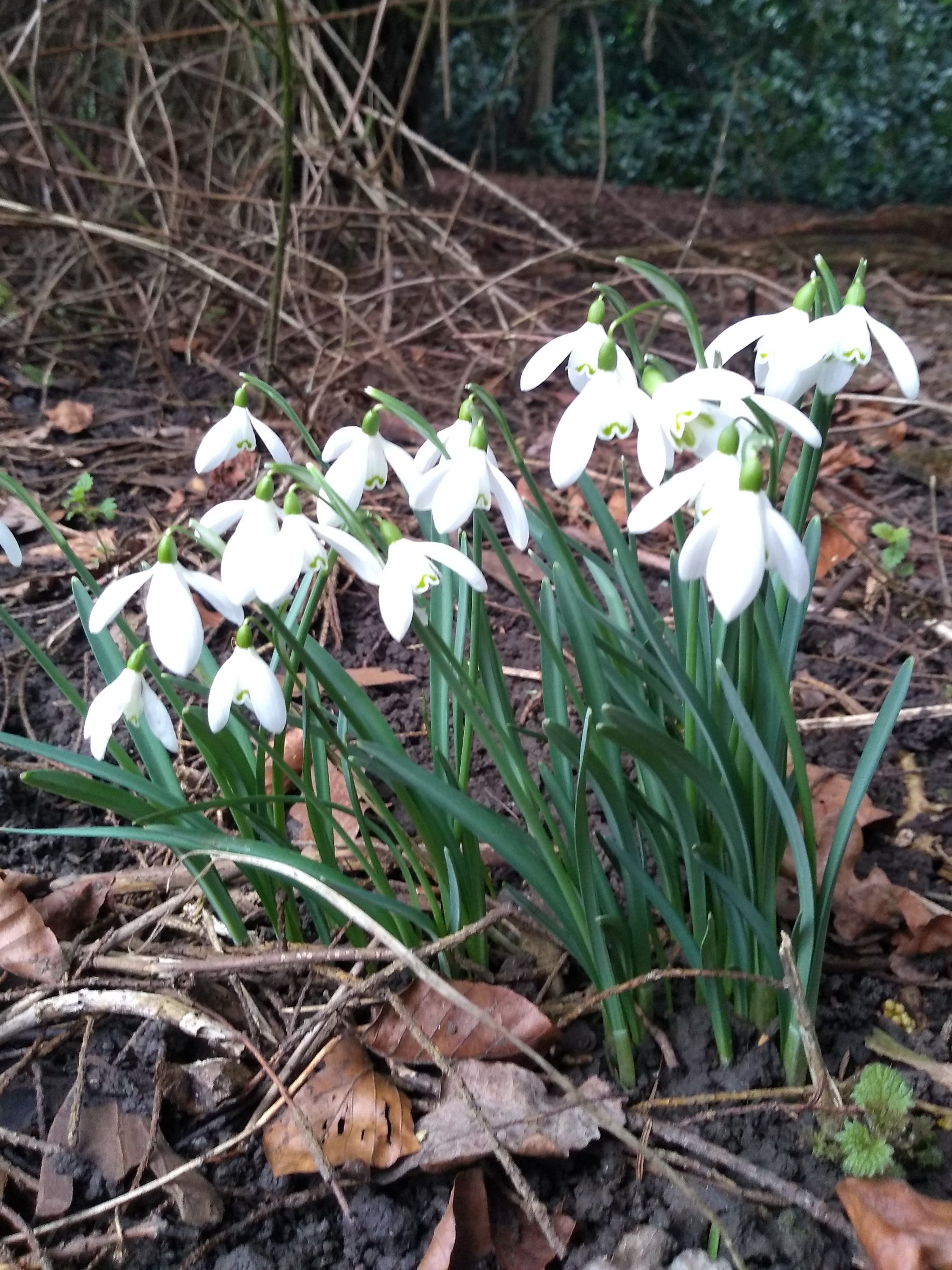
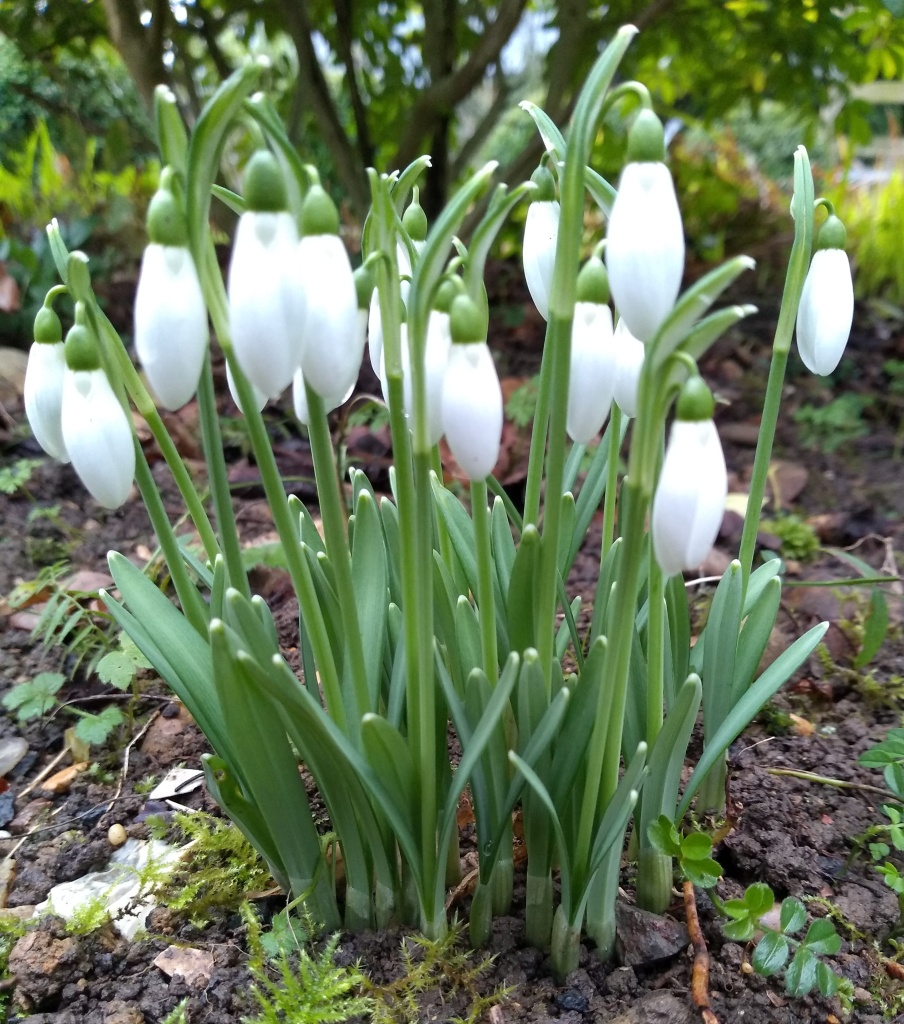
Now that we are well into January flowers are starting to show signs of life. Snowdrops are beginning to bud and female Hazel (Corylus) flowers as well as Winter aconites (Eranthis hyemalis) are blooming. Plus I have seen lots of ladybirds sheltering through this harsh season.







 Bee in the Moment