
Time has flown since my last post. The allotment has kept my partner and I busy; It’s in full swing after a slow start, due to initial cold weather followed on by a hot dry spell. Soft fruit production has been good this year; Red and White currants, Strawberries as well as Gooseberries have been plentiful, plus the Rhubarb has been as reliable as always. Thankfully we have now had a fair bit of rain (along with thunder storms) here in the south, giving us a slight break in having to manually water. Plus the rain has finally encouraged the Popping corn, Courgettes, Radishes and Beetroot plants to flourish.
The Summer Solstice passed a while ago now and although the nights are noticeably beginning to lengthen once again, traditionally the hottest days are still to come (even though June 2023 was the hottest on record here in the UK).
Since the beginning of May all three St Albans Abbey Peregrine Falcon (Falco peregrinus) chicks fledged (there was one female and two male); It was so lovely to see them all successfully develop into juveniles.
Initially I was beginning to think that l wouldn’t see many insects, however they have started to show up now. Ladybirds (including young ladybirds), bees, butterflies and moths are becoming more noticeable (great news as the Big Butterfly Count started on 14th July and runs until the 6th August).
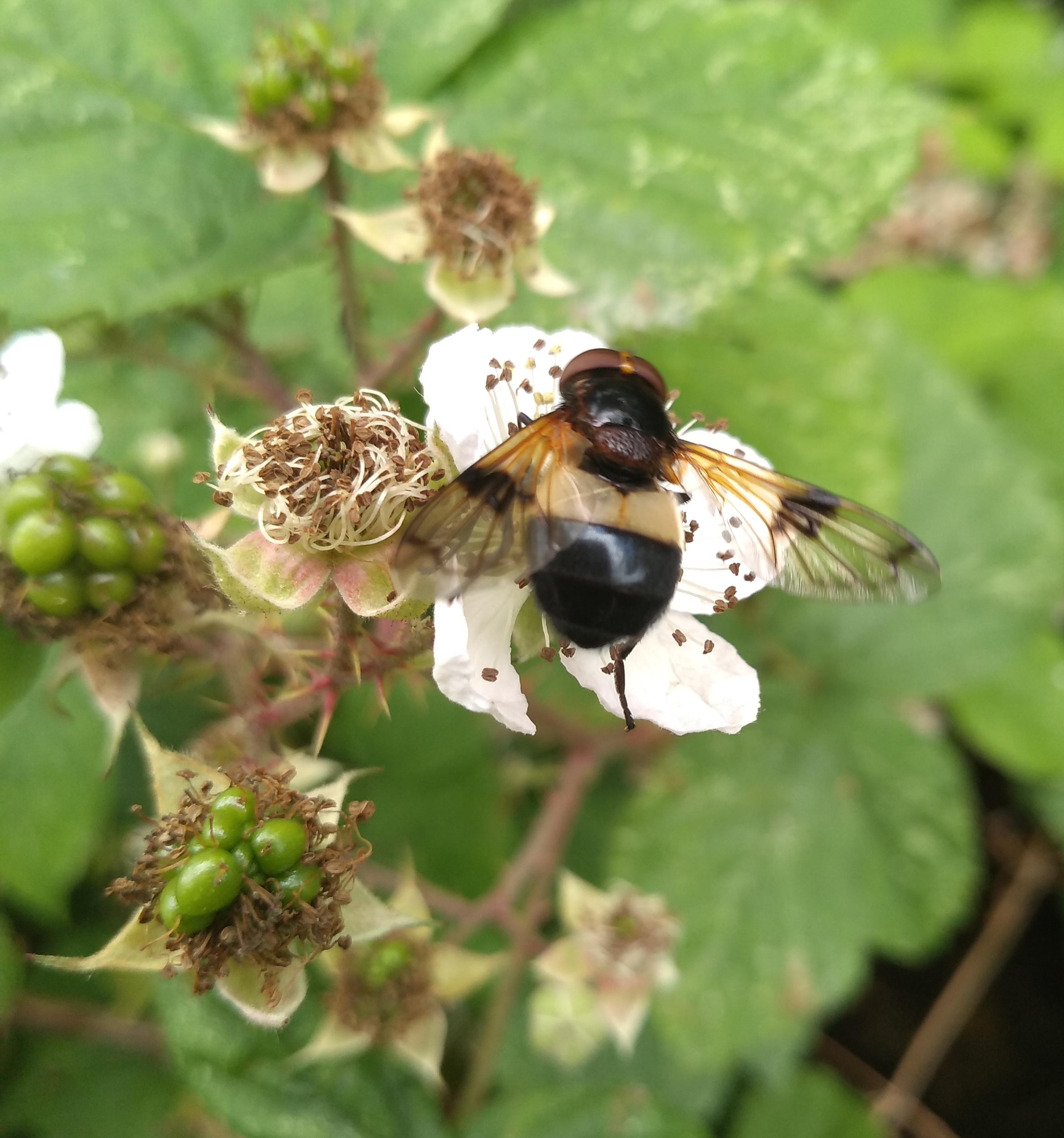
Over the last few months, I noticed the first Silver Y moth (Autographa gamma), Hummingbird hawk moth (Macroglossum stellatarum) Ashy mining bee (Andrena cineraria), False oil beetles (Oedemera nobilis) Red soldier beetles (Rhagonycha fulva), Ringlet butterfly (Aphantopus hyperantus), Small skipper butterflies (Thymelicus sylvestris), Hornet mimic hoverfly (Volucella zonaria), along with a grasshopper of the season.
Other insects I have seen include a
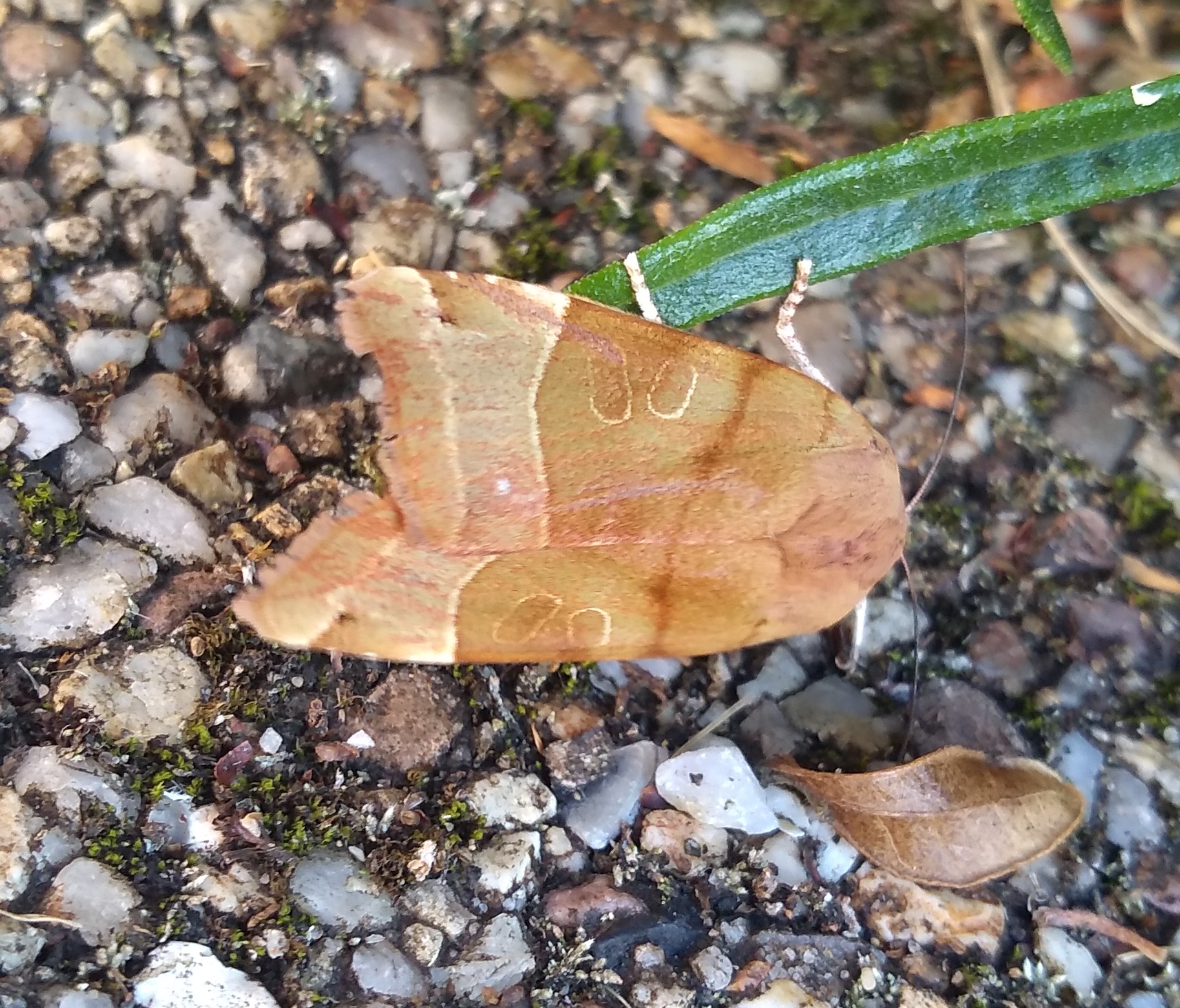
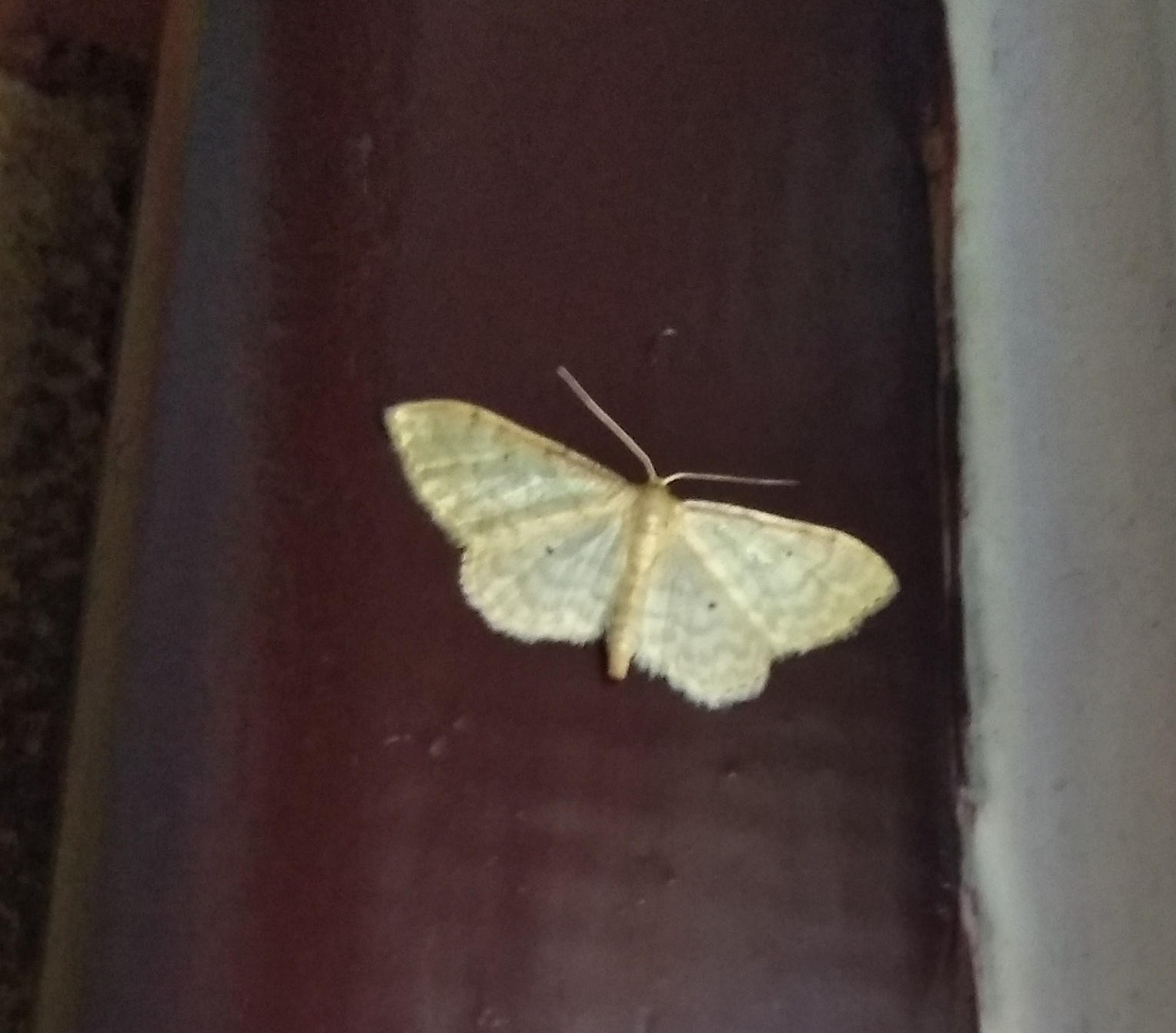
-Yellow shell moth (Camptogramma bilineata) so named because the wing patterns are said to look like the edges of some shells.

I saw this night flying moth as it sought shelter during the day. The caterpillars have a varied diet ranging from Bedstraw (Galium), Chickweed (Stellaria media), Docks (Rumex), Sorrels (Oxalis) to Dandelions (Taraxacum); wild flowers often seen as weeds. Seen on the wing from June to August, these moths are often found in urban areas, gardens, hedgerows and meadows throughout Britain.
– and a Broad-bodied chaser (Libellula depressa) dragonfly;

The female is disguinuishable from the male because it’s abdomen is golden brown with light markings each side. I had previously observed a female laying eggs in the freshly rejuvenated garden pond before seeing the male. These dragonflies are 39- 48mm long and seen from May to August in central and southern England as well as south Wales. Broad-bodied chasers are one of the first to visit and lay eggs in newly created ponds.
I have also learnt more wild flowers during my walks or at work. These are;
– Black medick (Medicago lupulina)

This wildflower is a lugume and therefore fixes nitrogen in the soil. Similar to true clovers, it is found on grassland and in lawns. The seedpod is black in colour, hence it’s common name. They are a great nectar source for bees, flowering between April and August. This plant is traditionally used as fodder for grazing livestock.
– Common agrimony (Agrimonia eupatoria)

Standing at 1.5 meters high this plant is also known as Church steeples because of the flower head spikes. In the Victorian language of flowers it represented gratitude and thankfulness. In folklore Agrimony was believed to ward off witchcraft and help the injured recover from musket wounds. It was also used to aid sleep if placed beneth a persons head, only for them to awaken once the flower was removed. Common agrimony is found in meadows and often visted by bees and hoverflies. It is also eaten by Grizzled skipper (Pyrgus malvae) caterpillars. More information on this increasingly rare butterfly can be found here.
– St johns wort (Hypericum perforatum)

Often found in wasteland but also in open areas of woodlands or along hedges and roads, it flowers from June through to September. This plant is strongly associated with the feast of St John the Baptist (hence the common name) which is observed on the 24th June, a few days after the Midsummer solstice. Both the red juice from the stem (representing blood) and the time it starts flowering were seen as associated with St John the Baptist. This wildflower is a traditional remedy for wounds and burns and also known for aiding mild depression.
– Great mullein (Verbascum thapsus)


This plant grows up to 2m high and has grey wooly foliage. It blooms in June, July and August, found along wasteland, verges, along roads and sometimes popping up in gardens. This plant is eaten by the mullein moth caterpillar. More information on Mullein moths (Cucullia verbasci) can be found on the Butterfly Conservation website.
– and Mugwort (Artemisia vulgaris)

This wildflower grows up to 1.3m high and blooms in late summer. The flowers are reddish brown developing from white buds. Mugwort is often found growing by roads on verges as well as amongst fields and wasteland.
Scientifically named Artemisia after the Greek goddess Artemis and Vulgaris meaning common. Partly due to it’s silvery appearance when light shines on the foliage it is connected to the moon and dreams.
Etymologically the common name is fascinating. Mentioned in the Anglo-Saxon Nine Herbs Charm, the spelling was Mucgwyrt. Giving some idea to the origin of the common name being linked to old English words for midge ‘mycg’ and root, herb or plant ‘wort’. Traditionally this plant was used as a deterrent for midges and moths. It was used as flavouring for food and before hops to flavour beer, Plus it was used medicinally and had spiritual significance. Mugwort is also linked to St John the Baptist as it was believed that he wore a girdle of it for protection while he was in the wilderness (possibly why placing it over doorways was believed to give protection too) therefore another name for this plant is St John’s plant. It was also used by Roman soldiers; placing it in their footwear was thought to ward off fatigue.









 Bee in the Moment